The Short Answer
Repair the leak if your roof is in good shape overall and the damage is limited to one area: a lifted shingle, a cracked tile, worn flashing or a failed seal around a vent. Consider a replacement when the roof is near the end of its life, leaks keep coming back in different places, or the damage covers a large part of the roof. In Florida, two more things matter: a building code rule about how much of a roof can be repaired, and your insurance company's rules on roof age.
What to Do the Day You Find a Leak
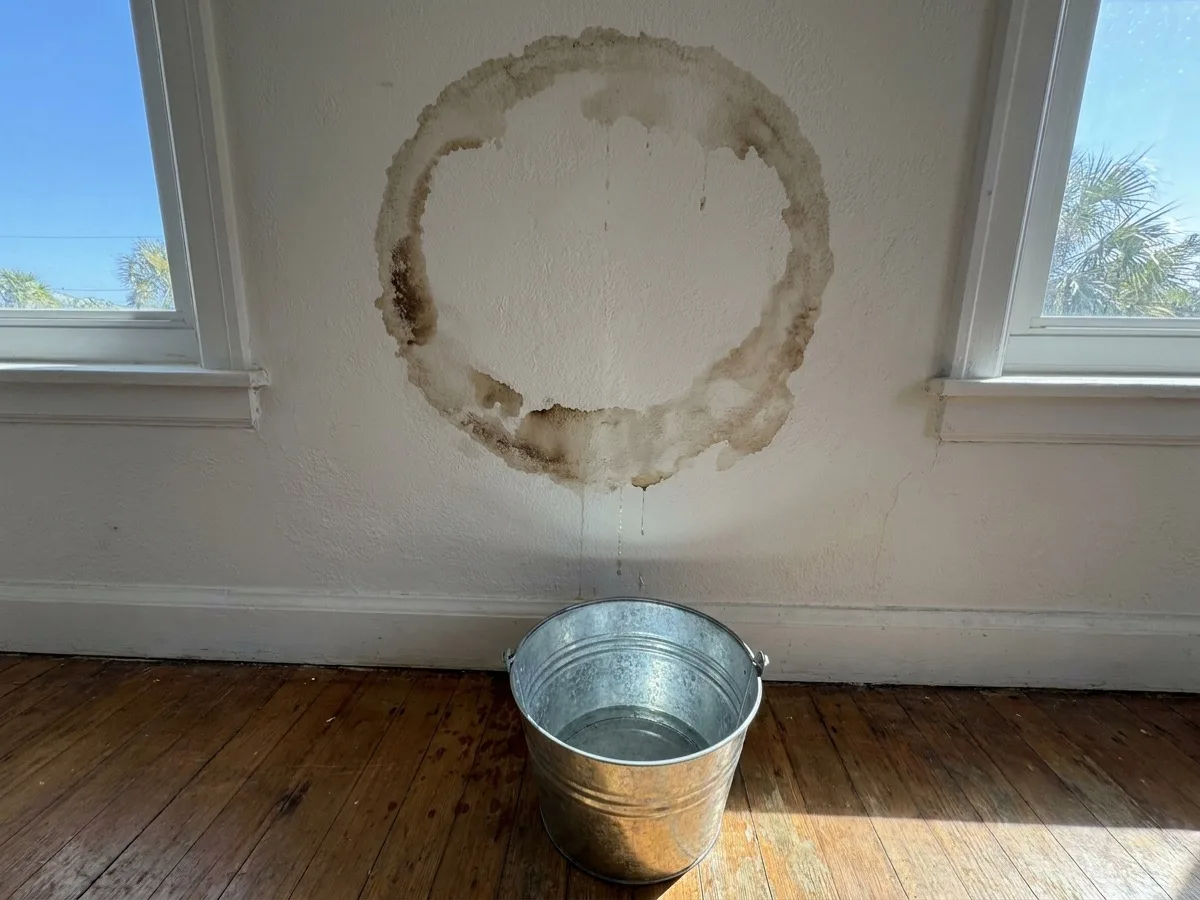
- Limit the damage inside. Move belongings, put a bucket under the drip and soak up standing water. If a ceiling is bulging with water, keep people away from it.
- Photograph everything. Take pictures of the ceiling stain, the wet area and, if it is safe from the ground, the roof. Your insurer will want them if you file a claim.
- Do not climb onto a wet roof. Florida roofs are steep and slick after rain. A roofer can put a tarp on the damaged area safely.
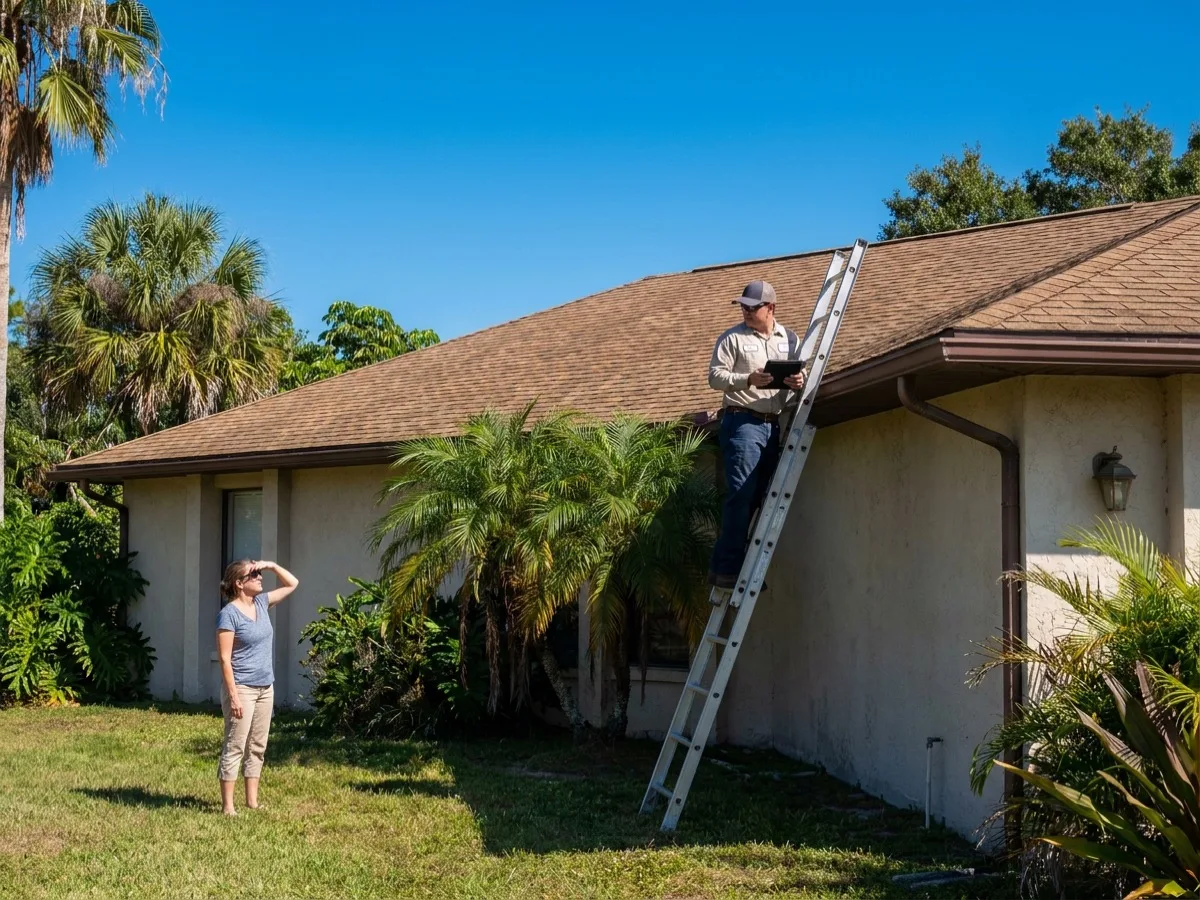
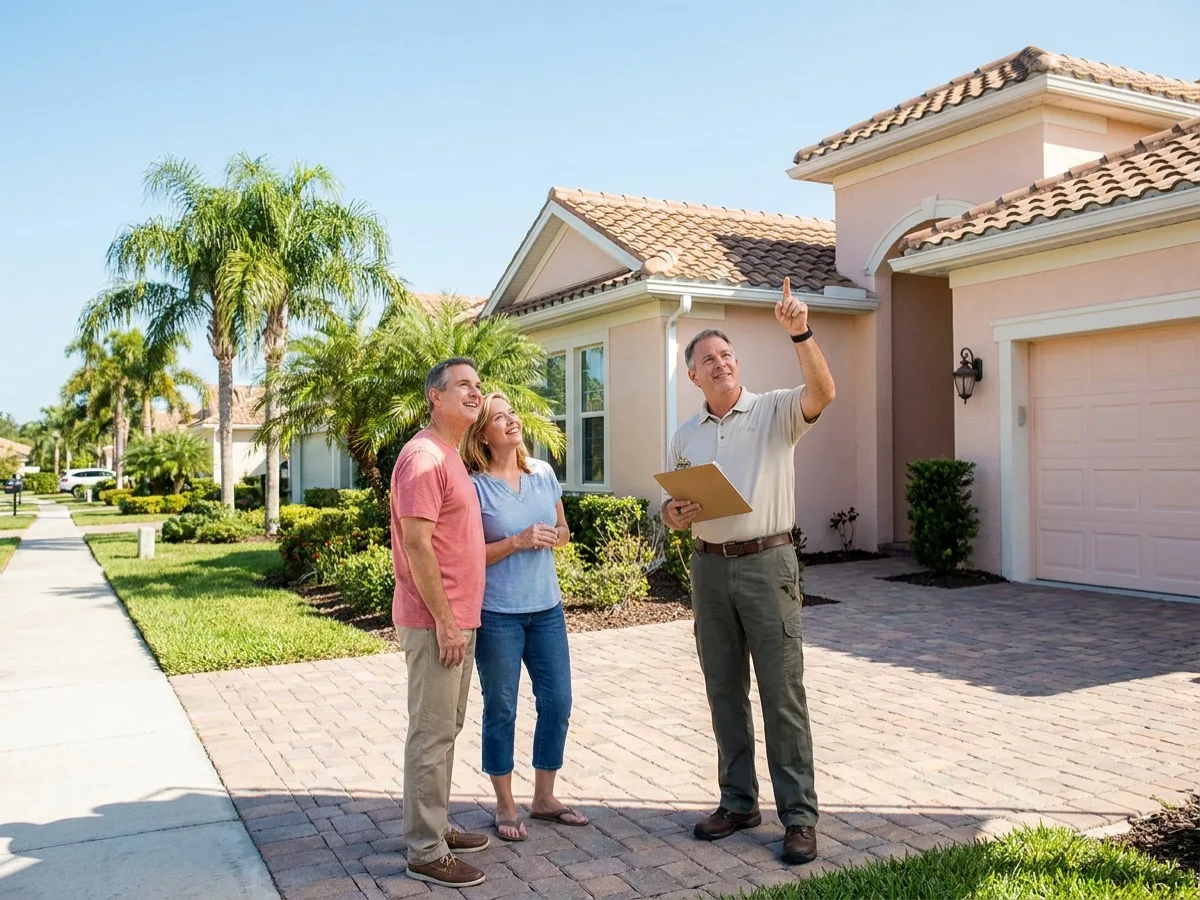
- Call a roofer for an inspection. Ask for photos of the damage and a written explanation of what failed.
When a Repair Makes Sense
A repair is usually the right call when:
- The roof is well within its expected life. In Florida's heat and storms, asphalt shingles often last around 15 to 20 years, while tile and metal roofs commonly last much longer.
- The leak comes from one spot, such as flashing around a chimney, skylight or plumbing vent.
- A few shingles or tiles are missing or broken after a storm.
- The roof deck (the plywood under the roof covering) is still solid.
Typical repairs include replacing damaged shingles or tiles, resealing or replacing flashing, replacing a cracked vent boot and fixing a small area of rotted decking.
When a Replacement Makes Sense
A replacement is usually the better investment when:
- The roof is near or past its expected life. Patching an old roof often means paying for the next leak a few months later.
- Leaks keep returning in different places. That points to a roof that is failing as a whole, not one bad spot.
- The damage is widespread. Many missing shingles, cracked tiles across several slopes, or soft and sagging decking are signs of a roof that needs more than a patch.
- Your insurer is asking about the roof. Insurers can limit or refuse coverage on older roofs, as explained below.
Florida's 25% Rule, and the 2007 Exception
For years, Florida homeowners heard about the "25% rule": if more than a quarter of a roof needed repair, the whole roof had to be brought up to current code, which usually meant a full replacement. Florida law changed that for newer roofs.
Under section 553.844(5), Florida Statutes, if your roof (or that section of it) was built, repaired or replaced under the 2007 Florida Building Code or a later edition, and 25% or more of it is being repaired, replaced or recovered, only the repaired portion has to meet the current code. In plain terms, a roof installed under the 2007 code or later can be repaired in sections instead of being replaced entirely.
Roofs installed before the 2007 code took effect do not get this exception. If a large part of an older roof is damaged, your roofer and local building department may require the full roof to meet current code. Ask your roofer which code your roof was built under. Your county's permit records usually show when the last roof permit was issued.
How Your Insurance Fits In
Two questions decide whether insurance helps:
- What caused the leak? Homeowners policies generally cover sudden damage, such as a storm tearing off shingles. They generally do not cover leaks caused by age and wear. Your policy's wording decides this, so read it or ask your agent.
- How old is the roof? Under section 627.7011, Florida Statutes, an insurer may not refuse to issue or renew a policy solely because a roof is less than 15 years old. For older roofs, the insurer must let you have the roof inspected, and it may not refuse coverage solely because of roof age if the inspection shows at least five years of useful life left. Our guide to Florida roof age rules and the 4-point inspection covers this in detail.
If your roof is older and the leak came from wear, a repair may keep the house dry today but may not satisfy your insurer at renewal. That is often the deciding factor.
What a Repair Costs Compared With a Replacement
Small repairs, like resealing flashing or replacing a handful of shingles, usually cost a few hundred dollars. Larger repairs that involve rotted decking or several damaged areas can run into the thousands. A full replacement on a typical Florida home costs far more: see our guide to roof replacement costs in Florida. When a repair estimate climbs toward a large share of a replacement on a roof that is already old, replacement is usually the better value.
What to Ask the Roofer
- What exactly caused the leak, and can you show me photos?
- Is the decking under the damaged area solid?
- How many years of life does the rest of the roof have?
- Was this roof installed under the 2007 Florida Building Code or later?
- Will this repair need a permit?
- If I repair now, will my insurer accept the roof at renewal?
Get a second opinion before agreeing to a full replacement on a roof that is less than 15 years old. Compare the best-reviewed independent roofers in your city, or see who offers roof repair and roof replacement.
Sources
- Section 553.844, Florida Statutes (2026): roof repair and the 2007 code exception
- Section 627.7011, Florida Statutes (2026): roof age and homeowners insurance
- Roof lifespans and repair prices: typical figures from Florida roofing companies, not an official source
Facts checked against these sources on October 9, 2026. This guide is general information, not legal or insurance advice.