The Short Answer
Under Florida law, an insurer may not refuse to issue or renew your homeowners policy solely because your roof is less than 15 years old. If your roof is 15 years or older, the insurer must let you get the roof inspected before requiring a replacement, and it may not refuse coverage solely because of age if the inspection shows at least five years of useful life left. Separately, many insurers require a 4-point inspection on older homes. Citizens, the state-backed insurer, requires one for homes more than 20 years old.
What Florida Law Says About Roof Age
These rules come from section 627.7011(5), Florida Statutes:
| Your roof's age | What the insurer may do |
|---|---|
| Less than 15 years | It may not refuse to issue or renew your policy solely because of the roof's age. |
| 15 years or older | It must allow you to have the roof inspected by an authorized inspector, at your expense, before requiring a replacement. |
| 15 years or older, and the inspection shows 5 or more years of useful life | It may not refuse to issue or renew your policy solely because of the roof's age. |
Two things to keep in mind. First, the law protects you from decisions based "solely" on age. An insurer can still act on the roof's actual condition, such as active leaks or missing shingles. Second, the inspection is at your expense, so it pays to have a roof in good repair before the inspector arrives.
What a 4-Point Inspection Is
A 4-point inspection is a short report on the four systems insurers worry about most in an older home:
- Roof: its type, age, condition and remaining life
- Electrical: the panel, wiring type and any hazards
- Plumbing: the pipe materials, the water heater and any leaks
- Heating and cooling (HVAC): the system's age and condition
It is not a full home inspection. It focuses on the problems that most often cause insurance claims. A licensed inspector completes the form, and you or your agent send it to the insurer.
What Citizens Requires
Citizens Property Insurance publishes its own rules, which many homeowners run into:
- 4-point inspection: required on applications for homes more than 20 years old.
- Roof age limits: 25 years for soft roofs, such as asphalt shingles, and 50 years for hard roofs, such as tile, slate, clay, concrete and metal.
- Older roofs: a roof past those ages must be documented as having at least five years of remaining useful life. If it has less than five years left, Citizens requires proof that the full roof has been replaced before it will write the policy.
Citizens raised the minimum remaining life from three to five years in 2023, following Senate Bill 2-D. Private insurers set their own underwriting rules within state law, so check with your agent if you are not insured by Citizens.
What to Do If Your Insurer Says Your Roof Is Too Old
- Ask for the reason in writing. Find out whether the issue is the roof's age, its condition or both.
- Check the roof's age. Your county's permit records show when the last roof permit was issued. That date often matters more than the age of the house.
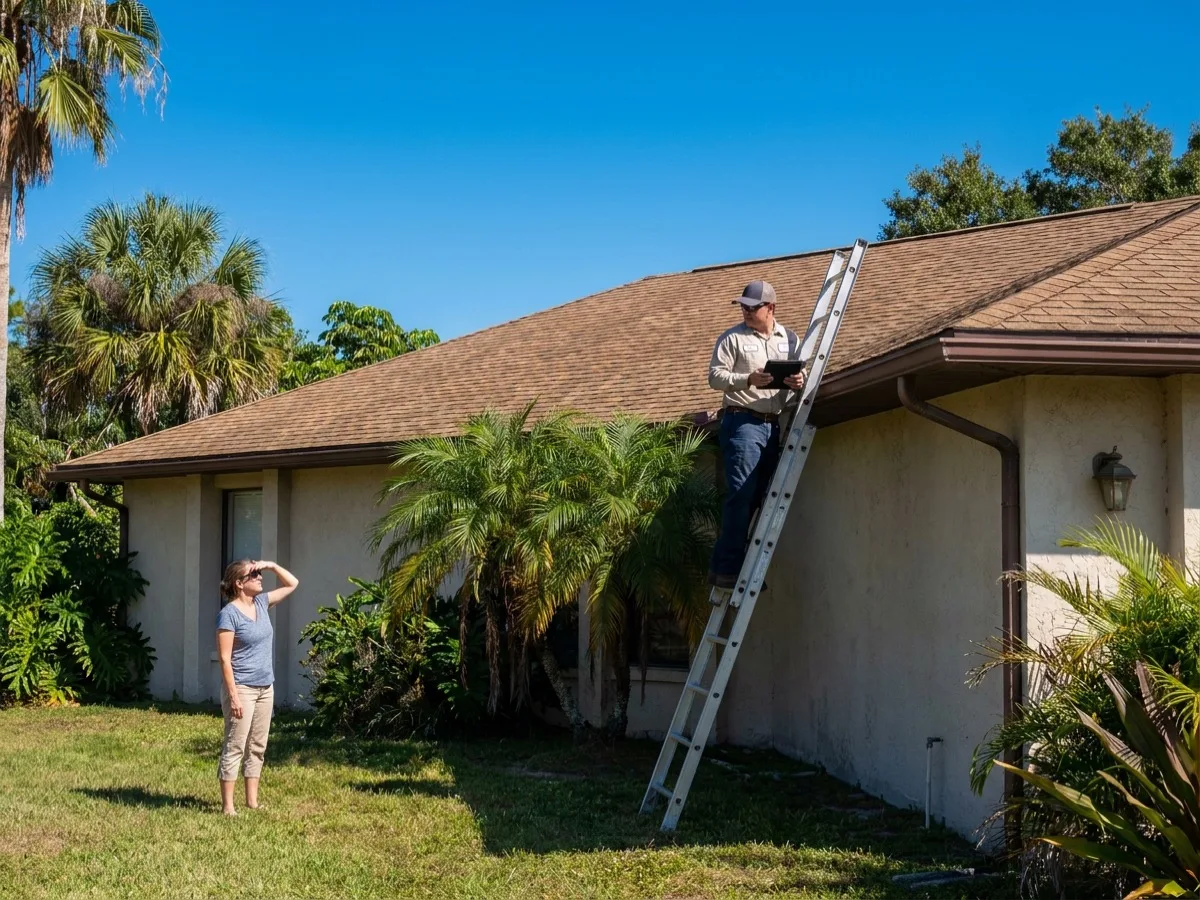
- Get a roof inspection. If the roof is 15 years or older, you have the right to an inspection before the insurer requires a replacement. Use a licensed inspector or roofer and ask for the remaining useful life in writing.
- Fix small problems first. Replacing a few damaged shingles or resealing flashing before the inspection can change the result.
- Plan the replacement if the roof truly is at the end of its life. Ask your insurer how long you have, and get quotes from more than one roofer.
How to Prepare for a 4-Point Inspection
- Gather the dates your roof, water heater and air conditioner were installed or replaced.
- Clear access to the electrical panel, the water heater and the attic.
- Fix visible leaks and replace any missing shingles or tiles.
- Ask the inspector whether they can also complete a wind mitigation inspection on the same visit. The two are often sold together, and wind mitigation can lower your premium.
When a New Roof Is the Better Move
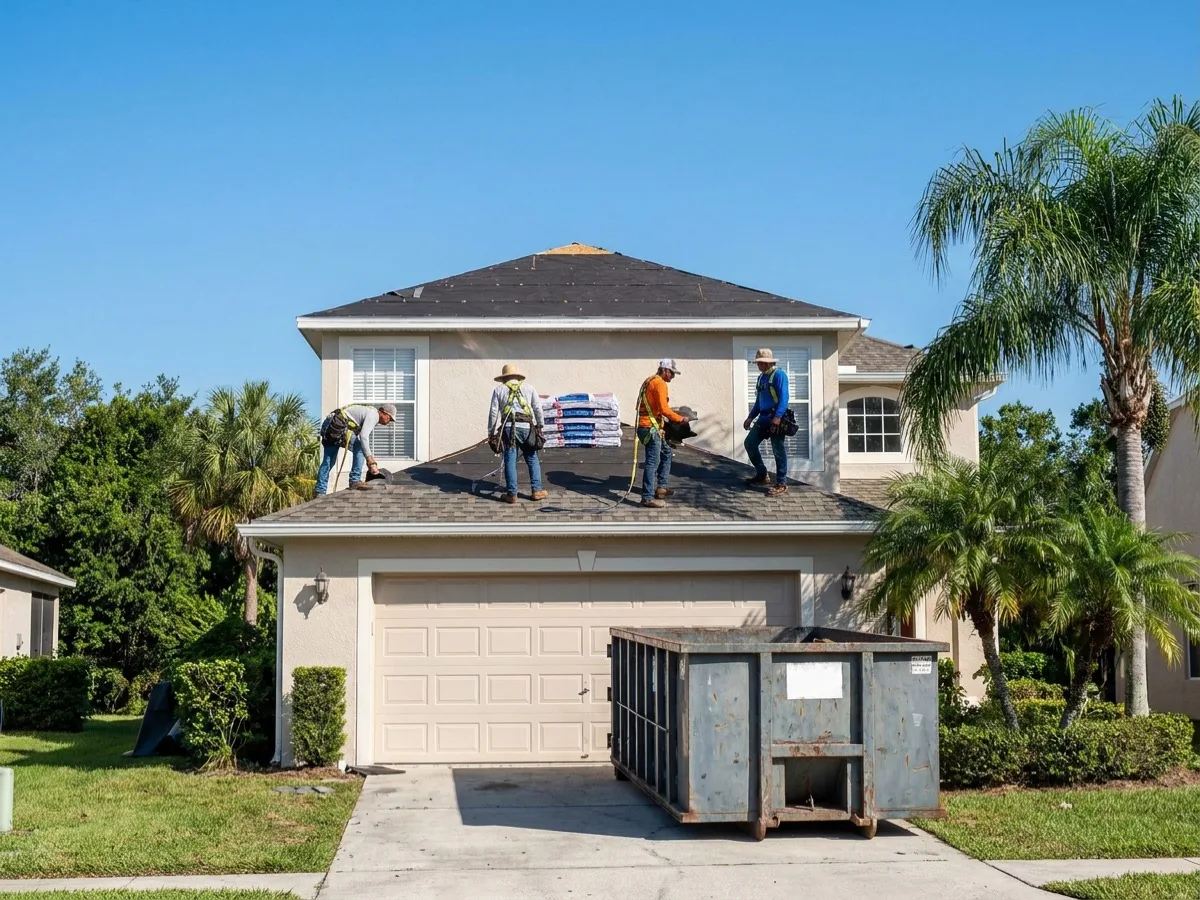
If your roof is near the age limits and has visible wear, replacing it can solve the insurance problem for many years. A new roof built to current code also tends to score better on a wind mitigation inspection, which can mean a lower premium. Low- and moderate-income homeowners may qualify for help through My Safe Florida Home. For prices, see our guide to roof replacement costs in Florida.
When you are ready, compare the best-reviewed independent roofers in your city or see who offers roof inspection and roof replacement.
Sources
- Section 627.7011, Florida Statutes (2026): roof age and homeowners insurance
- Inspections, Citizens Property Insurance Corporation
- Roof Rule Changes (2023), Citizens Property Insurance Corporation
Facts checked against these sources on October 9, 2026. Insurer rules change; confirm the current requirements with your agent. This guide is general information, not legal or insurance advice.